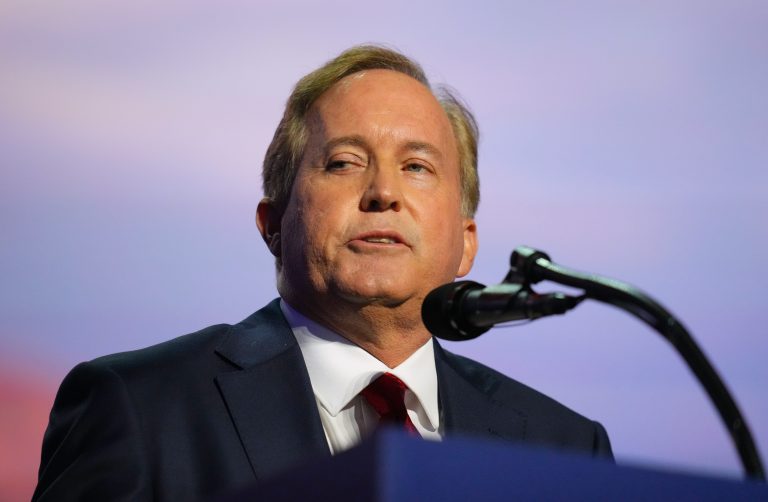


Nevada voters headed to the polls to determine nominees for several high-profile races, including governor and congressional seats that are expected to attract national attention in November.
The primary elections provided an early indication of voter sentiment in one of the country's most closely watched battleground states. Candidates from both major parties competed for positions that could shape Nevada's political direction in the coming years.
Election officials reported steady turnout as voters cast ballots across the state. The results set the stage for competitive general election campaigns that are expected to draw significant spending and national political interest.
Both parties view Nevada as a critical state because of its diverse electorate and history of closely contested elections. As a result, the primary outcomes are expected to influence broader political strategies heading into the general election.
Governor's Race Moves Into General Election Phase
The Nevada governor's race emerged as one of the most important contests on the ballot.
Candidates spent months campaigning on issues including economic development, housing affordability, education funding and public safety. The primary results determined which candidates will move forward to compete for the state's highest office in November.
Political observers noted that Nevada's economic challenges and population growth have made gubernatorial leadership a central issue for many voters. Candidates emphasized competing visions for managing growth while addressing concerns about inflation and the cost of living.
The race is expected to be extremely competitive all the way through the general election campaign. Both parties feel they have a legitimate chance to take the governor's office, meaning the contest will be a major focus in the months ahead. National organizations also are expected to ramp up their involvement as the election nears, recognizing Nevada's importance in the wider political picture.
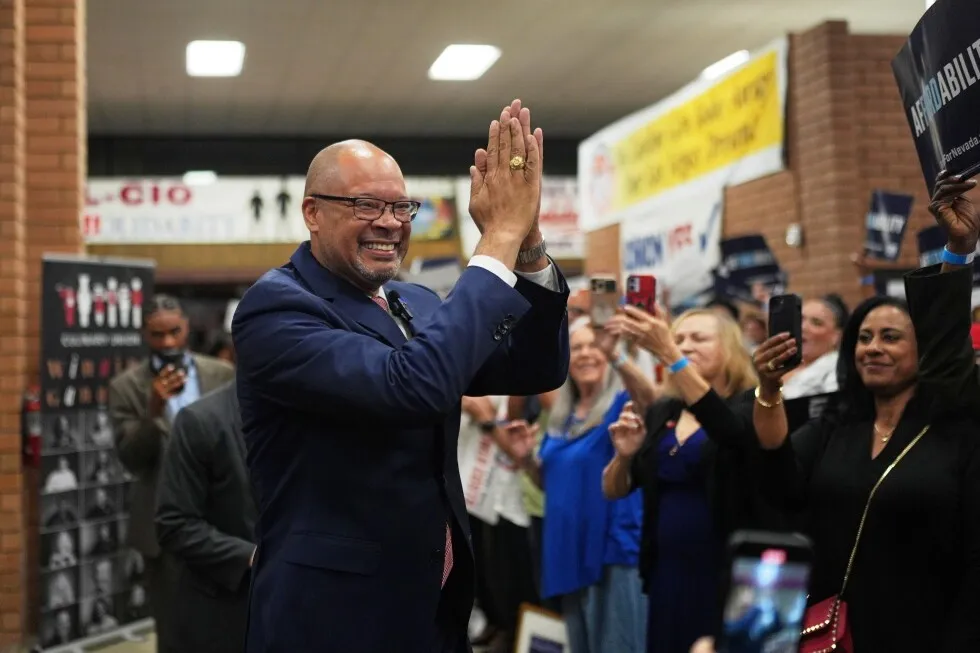
Congressional Primaries Yield Results to Watch
Several congressional races drew attention because of their possible implications for the balance of power in Washington.
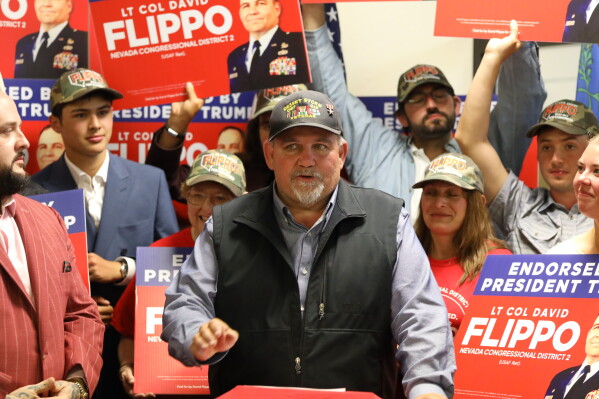
Among the most notable results was the Republican primary victory by Marty O'Donnell Flippo, who secured his party's nomination in a closely watched House contest. The result positioned him for a competitive general election campaign later this year.
Candidates throughout Nevada's congressional districts focused on issues such as immigration, economic policy, federal spending and energy development. These topics resonated strongly with voters and became central themes during the primary season.
Party leaders are expected to devote substantial resources to Nevada's congressional races because of the state's history of producing closely contested elections. Analysts believe several districts could become major battlegrounds during the general election campaign.
The outcomes reinforced Nevada's reputation as a politically competitive state where election results are often determined by relatively narrow margins.
Attention Turns to November Battleground Elections
With the primary contests concluded, candidates are shifting their focus toward the general election.
Expect campaigns to escalate outreach to independent voters and undecided residents, who are often the deciding factor in Nevada elections. Fundraising, advertising and voter outreach efforts are likely to increase significantly in the coming months.
Political operatives in both parties believe Nevada is a state that can move the national political narrative. Success in the state's governor and congressional races could provide momentum for broader party objectives across the country.
The November contests are expected to revolve around economic concerns, housing costs, public services and the future direction of state government. Candidates will now work to broaden their appeal beyond primary voters and build coalitions capable of securing statewide victories.
As Nevada enters the next phase of the election cycle, the state is once again positioned as one of the nation's most important political battlegrounds.
Reporting for this story drew on coverage from Associated Press, USA Today, and Politico.