
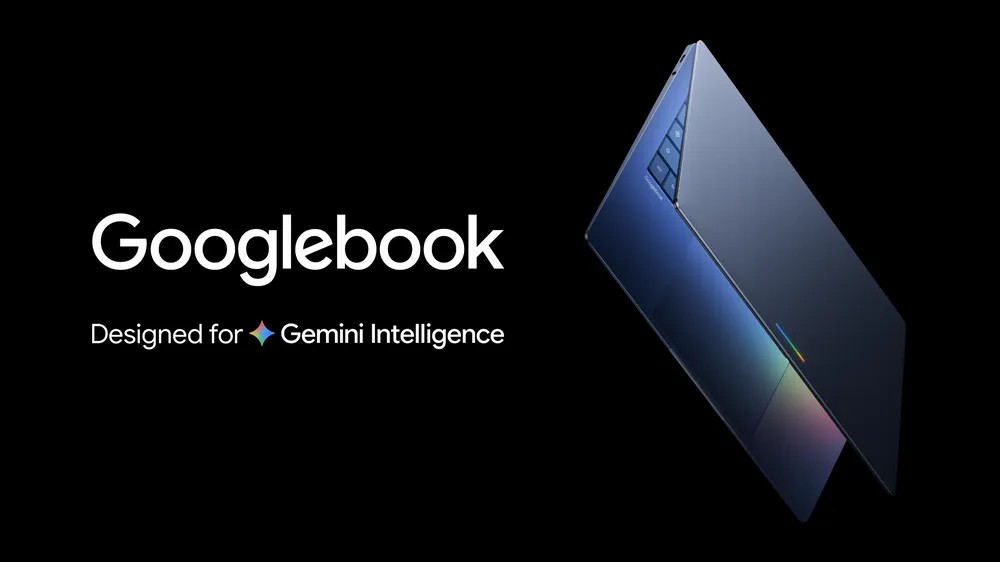
Google officially introduced "Googlebook," a new category of AI-focused laptops designed around Gemini Intelligence and deeper Android integration. The company announced the platform during its Android Show event, describing Googlebook as a major evolution beyond traditional Chromebooks.
According to Google, Googlebooks are being built "for Gemini Intelligence" and are designed to integrate AI directly into everyday laptop use. The devices will run on software built using the Android technology stack while also supporting Chrome browser functionality and Android applications.
The Verge reported that Googlebooks will use a new operating system internally known as "Aluminium," which merges elements of Android and ChromeOS into a unified platform. Google has not yet confirmed whether Aluminium will become the final public branding for the operating system.
The company described Googlebooks as laptops designed "from the ground up" for AI-powered computing. Google said Gemini Intelligence will be integrated throughout the system rather than added as a separate assistant feature.
Google also confirmed that major hardware partners including Acer, Asus, Dell, HP, and Lenovo are preparing Googlebook devices scheduled to launch later in 2026. The company has not yet revealed pricing, exact hardware specifications, or release dates.
The announcement represents Google's biggest laptop platform shift since the original Chromebook launch and signals a major push toward AI-centered personal computing.
Gemini AI and "Magic Pointer" Become Core Features
One of the most heavily promoted features of Googlebook is a new AI interaction system called "Magic Pointer." Instead of functioning like a standard mouse cursor, the Magic Pointer is designed to trigger Gemini-powered contextual assistance based on what users point at on the screen.
Google explained that users can activate Gemini suggestions simply by moving or "wiggling" the cursor over items such as images, text, dates, or documents. The AI can then generate contextual actions including comparisons, scheduling suggestions, summaries, and visual analysis.
Examples shown during the presentation included pointing at a date inside an email to automatically create a calendar event or selecting multiple images to ask Gemini to compare or combine them.
"Googlebooks are being positioned as AI-native laptops where Gemini becomes deeply embedded into navigation, multitasking, and productivity workflows." — TechCrunch
Google described the system as a way to make AI "ambient and proactive" rather than something users manually open through separate apps or chat windows. TechCrunch reported that Googlebooks are being positioned as "AI-native laptops" where Gemini becomes deeply embedded into navigation, multitasking, and productivity workflows.
The platform will also support AI-powered widgets originally designed for Android phones and Wear OS devices. These widgets can reportedly adapt dynamically based on user activity and context.
The Verge noted that Google appears to be pushing Googlebook toward a more premium market segment than earlier Chromebooks, with renders showing thin aluminum designs, glowing "Glowbar" lighting elements, and stronger hardware integration.
The broader goal appears to be creating an AI-first laptop experience that competes more directly with premium Windows laptops and Apple's MacBook ecosystem.
Android Integration Becomes Central to Google's Laptop Strategy
A major part of the Googlebook strategy involves much deeper integration between laptops and Android phones. Google said the new platform is designed to make transitions between Android devices and laptops far more seamless than on current Chromebooks.
According to Google, apps running on connected Android phones will be directly accessible through Googlebooks. Users will also be able to search, insert, and access files from their phones without manually transferring them between devices.
TechCrunch reported that Googlebooks are being built directly on the Android technology stack instead of relying primarily on ChromeOS architecture. This would allow Google to unify app development more closely across phones, tablets, wearables, and laptops.
Google also confirmed that Android applications will run natively on Googlebooks while Chrome browser functionality remains fully integrated. The company described the platform as combining "the best of Android and Chrome."
The announcement reflects Google's broader effort to strengthen its ecosystem against Apple, which already tightly integrates iPhones, iPads, and MacBooks. Analysts noted that Google has historically struggled to create equally seamless experiences between Android phones and ChromeOS laptops.
The Verge reported that Googlebooks may eventually become the company's primary long-term laptop platform, although Google stated that Chromebooks will continue receiving support and updates for at least 10 years on devices released since 2021.
Still, many analysts interpreted the announcement as a signal that Google sees AI-driven Android laptops as the future direction of its personal computing strategy.

Googlebook Signals Broader Shift Toward AI-Centered Computing
The launch of Googlebook reflects a much larger industry shift toward AI-centered computing platforms. Technology companies including Google, Microsoft, Apple, and OpenAI are increasingly redesigning devices and operating systems around generative AI tools and proactive assistants.
Google described Googlebook as part of a broader effort to transform Android from simply an operating system into what the company called an "intelligence system" powered by Gemini AI.
Industry analysts said the platform could help Google compete more aggressively in premium computing after years of limited success with earlier laptop efforts such as Pixelbook and Chromebook Pixel devices.
At the same time, some observers raised concerns about how deeply AI will become embedded into basic computer interaction. Gizmodo described Googlebook as a platform where users may "never escape Android or AI," pointing to the constant presence of Gemini-powered suggestions throughout the interface.
The new laptops also arrive as AI competition intensifies across the tech industry. Microsoft has heavily integrated Copilot into Windows PCs, while Apple is expanding Apple Intelligence across Mac and iPhone devices.
Googlebooks are expected to launch later this year through multiple manufacturers, though Google has not yet confirmed exact release schedules, processor details, battery specifications, or pricing.
The announcement nevertheless marks one of Google's most ambitious hardware and software shifts in years, as the company attempts to redefine laptops around AI-first experiences, Android integration, and Gemini-powered computing.
Reporting for this story drew on coverage from Google Blog, The Verge, and TechCrunch.