



Police Training Ritual Linked to Deaths and Injuries


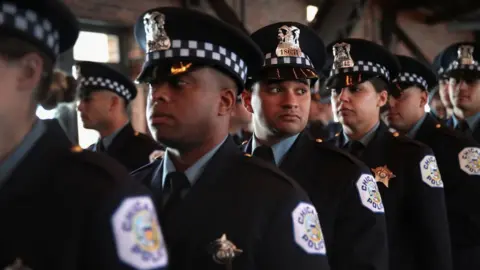
For hundreds of years, police academies across the United States have been based on the strict idea of breaking down recruits so they can be rebuilt. People have long thought that high-stress simulations, shouted orders, and physical drills are ways to show that an officer can handle the job's demands. But now is the time to think about whether any of these traditions have gone too far, given the rising number of deaths, injuries, and lawsuits.
During a role-playing exercise meant to make recruits act like a violent suspect, they were pushed to the ground, punched, and tackled at the Texas Game Wardens Academy last year. This made that question clearer. Some of the trainees got hurt during the practice, which is also known as "fight simulation" or "stress inoculation." Critics say that this exercise shows a bigger problem with police training that puts toughness ahead of safety and reality.
Similar exercises have been linked to heat stroke, traumatic brain injuries, broken bones, and even deaths across the country. During these activities, recruits are often very tired, stressed, and thirsty. Doctors warn that allowing physical aggression without clear rules makes the risk of heart problems and serious injuries much higher.
Supporters of the training say that policing is always dangerous and unpredictable. A trainer who had been doing it for a long time once said, "The street doesn't give you a break." "Recruits won't be able to handle stress in the real world if they can't handle it during training."
Some people, on the other hand, say that the comparison is wrong. They say that in real life, cops need to be much better at making decisions, talking to people, and controlling their feelings than they are at using physical force. They say that violent drills can make violence seem normal, but they don't really help people make better choices when they're under pressure. A lot of former recruits say that the workouts are more like hazing than training and are more of a test of compliance than skill.
Family members of recruits who have been hurt or killed have been some of the most vocal supporters of reform. Several recent lawsuits have accused academy officials of ignoring warning signs, telling recruits not to get medical help, or making injuries look like signs of weakness. Many times, recruits who passed out during workouts were accused of leaving before getting medical help.
It is becoming harder and harder for law enforcement leaders to find a balance between duty and tradition. It is important for the public to be able to see how police are trained now that police activity is being closely watched. Civil rights groups say that how officers are trained has a direct effect on how they act in public. Some people say that a society that values physical strength over everything else may make police officers who would rather use force than not.
Several departments are already trying out other methods. Scenario-based training, which is becoming more and more popular, teaches people how to calm down, think critically, and deal with stress. The point of these programs is to get recruits ready for danger without putting them in danger.
There aren't many people who don't agree that policing is hard, so we don't talk about it anymore. The question is whether it is right to use violence to get trainees ready for a job that requires both strength and good judgment.
It's clear that the days of accepted training traditions are coming to an end as investigations and lawsuits continue. The question is whether police departments are ready to make changes before more lives are lost or whether they will always be that way in the name of being ready.
A Custom Based on "Getting Tough"
For decades, violent academy drills have been seen as necessary training to get new hires ready for a job where quick decisions could mean the difference between life and death. A lot of these things go back to when police work was all about having a commanding presence and being physically dominant. The idea was simple: if recruits could handle chaos and pain during training, they would be less likely to freeze up in real-life situations.
Warning Signs That Are Often Overlooked
Medical experts who have looked into academy cases say that many injuries and deaths followed a well-known pattern: a recruit showing clear signs of pain, peers or instructors ignoring it as weakness, and medical help being delayed. Reports say that some trainees were too scared to speak up because they thought they would be kicked out of the program or declared unfit for duty.
Journalists who talked to former recruits said that there was a culture where leaving a drill, even for medical reasons, was very embarrassing and would last for a long time. A former trainee said, "You didn't want to be the one who stopped." "You were taught that suffering was a necessary part of proving yourself."


Koepka’s Leap of Faith: What Comes Next After LIV Golf Exit
DECEMBER 24, 2025

Skenes and Skubal Win Cy Young Awards as Future Uncertainty Grows
NOVEMBER 12, 2025


Investigation News

Warehouse Slowdowns Reveal Hidden Weakness in U.S. Supply Chains
An investigation finds major U.S. warehouses facing severe staffing shortages and outdated systems, creating silent bottlenecks across national supply chains.
INVESTIGATION NEWS BY NOVEMBER 5, 2025
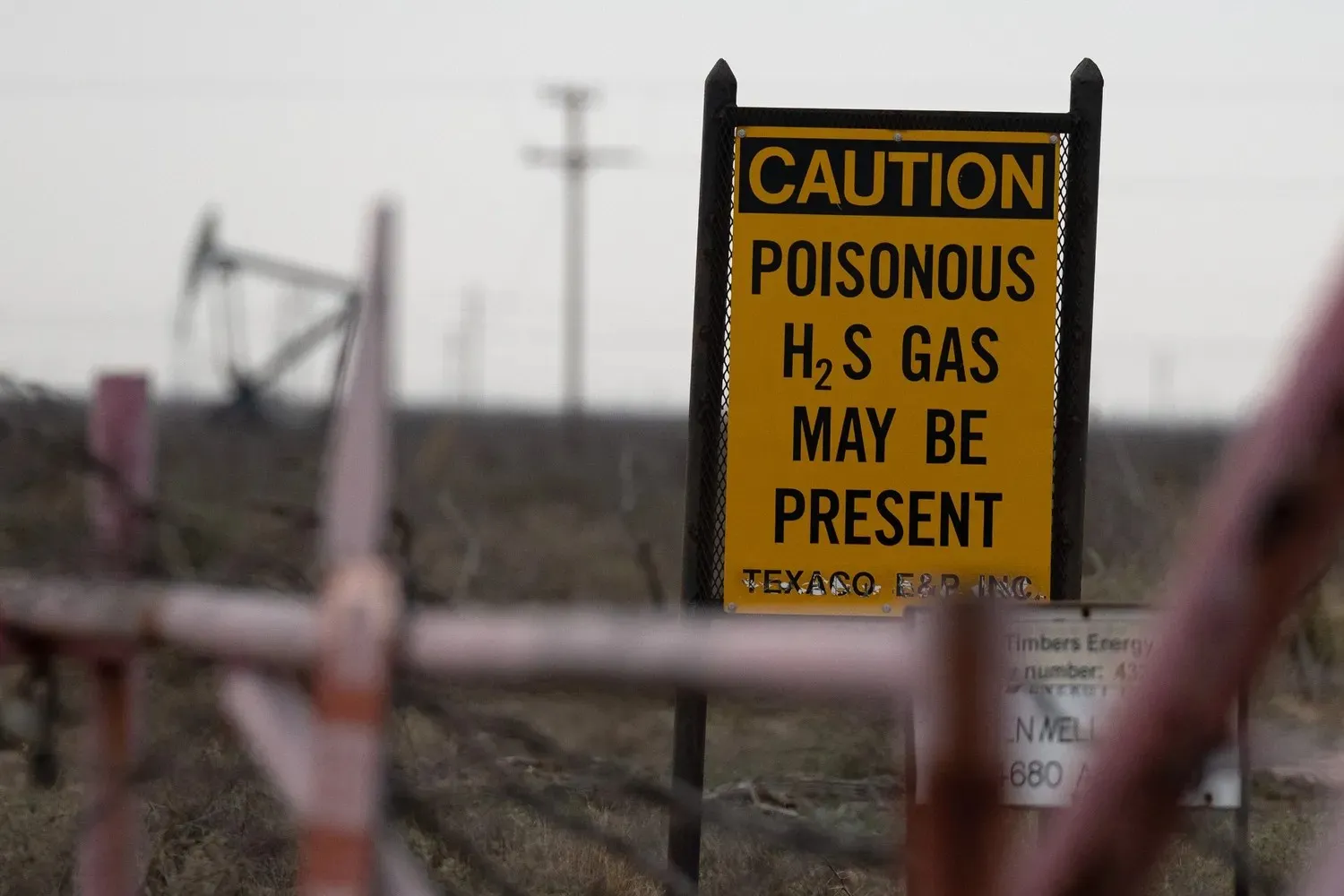
Chemical Leaks Persist as States Struggle to Monitor High-Risk Sites
A nationwide investigation finds that old industrial sites have had repeated chemical leaks and contamination events, showing that federal and state monitoring is not strong enough.
INVESTIGATION NEWS BY NOVEMBER 3, 2025
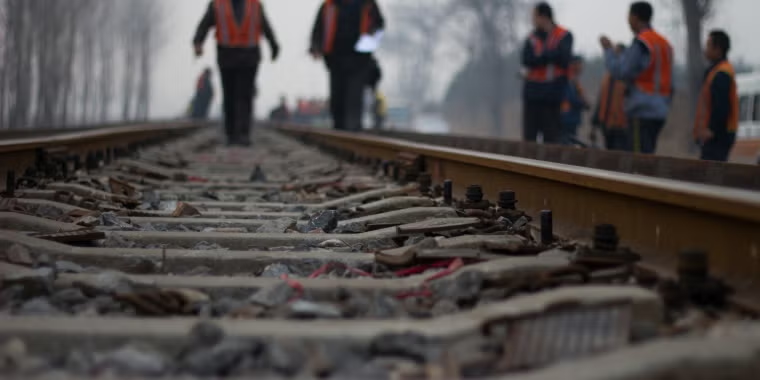
Train Safety Failures Persist as Federal Oversight Struggles to Keep Up
A nationwide investigation finds recurring rail safety lapses as outdated equipment, staff shortages, and slow federal inspections continue into 2025.
INVESTIGATION NEWS BY NOVEMBER 6, 2025