
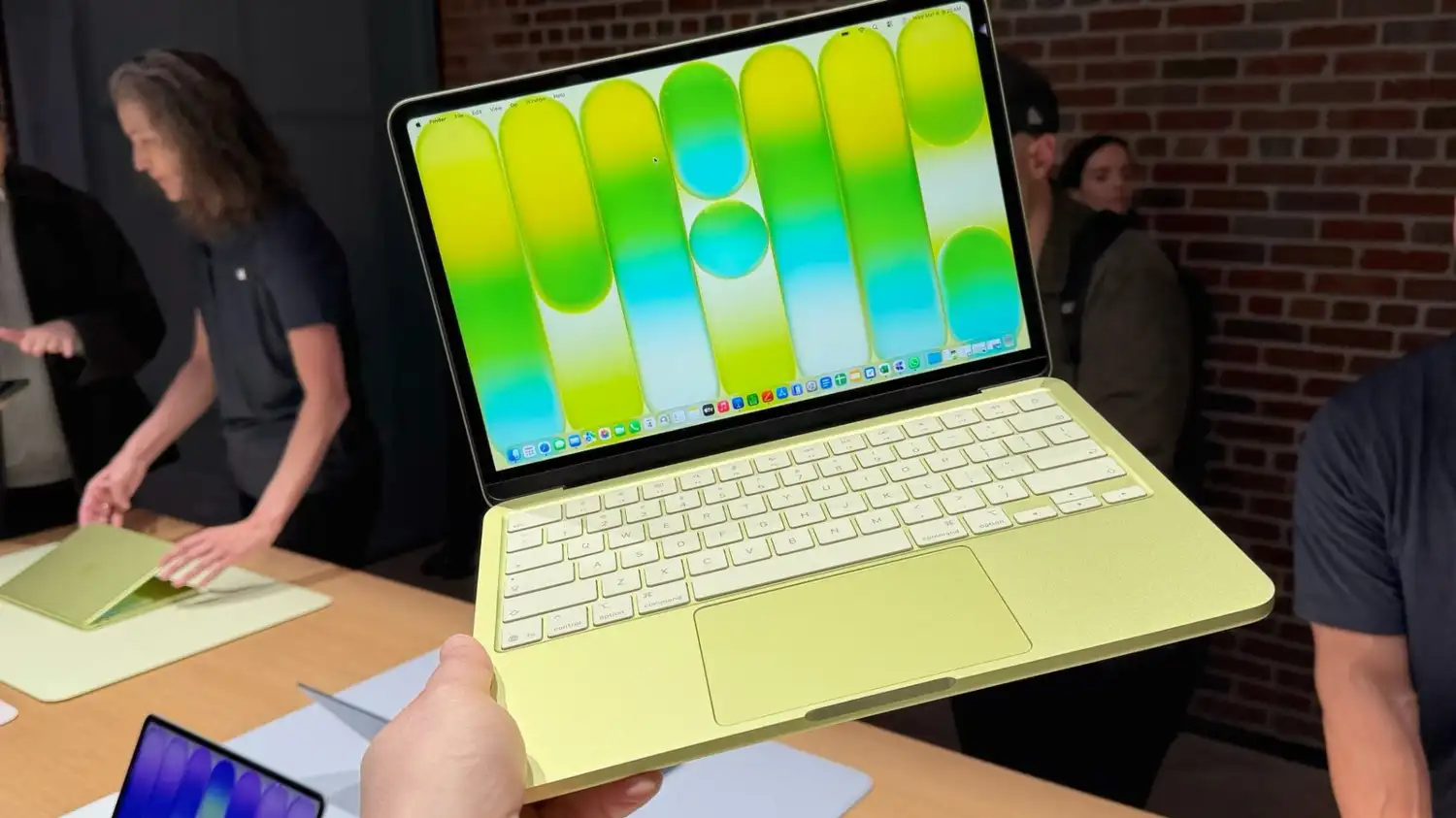
Apple's new MacBook Neo, starting at $599, is causing serious concern among established PC manufacturers. During a recent earnings call, Asus co-CEO S.Y. Hsu described the device's pricing as a genuine shock to the Windows PC world. "In the past, Apple's pricing situation has always been high, so for them to release a very budget-friendly product, this is obviously a shock to the entire industry," Hsu said. It is a statement that cuts to the heart of the threat Apple has just introduced — not through any single technical feature, but through the simple act of undercutting a price floor that rivals had quietly relied upon for years.
Hsu further noted that companies throughout the PC ecosystem — including Microsoft, Intel, and AMD — are actively working through how to respond to the new device. Industry rumors about the MacBook Neo had been circulating for months, which meant competitors had time to prepare. Even so, the final price point landed harder than many had expected. The MacBook Neo is not arriving in a niche corner of the market. It is going straight at the mainstream.
While acknowledging the competitive pressure, Hsu pointed to a few limitations he believes will keep traditional laptop buyers from switching. The device ships with 8GB of unified memory and that figure cannot be increased after purchase. He also characterized the MacBook Neo as a consumption device — more comparable to an iPad than to a full-featured notebook — and suggested it may not satisfy users who run demanding applications or require heavy multitasking. Whether those limitations will matter to the buyers Apple is targeting is a separate question entirely.
Early reviews have been broadly positive. Multiple technology outlets have praised the MacBook Neo for its fast everyday performance and its ability to handle casual gaming without significant compromise. Apple's entry into the budget laptop category appears, at least on first impression, to be a serious one.
"In the past, Apple's pricing situation has always been high, so for them to release a very budget-friendly product, this is obviously a shock to the entire industry." — Asus Co-CEO S.Y. Hsu

Battery Life and Hardware Details of the MacBook Neo
Apple has confirmed technical details about the MacBook Neo's battery in updated support documentation. The laptop carries a 36.5 watt-hour lithium-ion battery rated for up to 16 hours of video streaming and approximately 11 hours of wireless web browsing. Apple states that the battery is designed to handle up to 1,000 full charge cycles before its capacity begins to noticeably decline — a figure that is consistent with every MacBook, MacBook Air, and MacBook Pro the company has shipped since 2009, when it standardized that benchmark across its entire laptop lineup.
A single battery cycle is counted each time the total capacity is drained across one or more charges — not each time the laptop is plugged in. Charging halfway today and the other half tomorrow counts as one cycle, not two. A user who drains a full cycle every day would reach the 1,000-cycle mark in roughly two and a half to three years. A lighter user averaging about 30% of the battery per day could reasonably expect the battery to remain in good shape for close to a decade. Apple is clear that reaching 1,000 cycles does not mean the battery stops working; it means its ability to hold a full charge will gradually decrease over time.
Apple Targets the Education Market with Aggressive Pricing
The education sector may be where the MacBook Neo creates the most lasting disruption. Chromebooks and budget Windows laptops have dominated school purchasing decisions for years, largely because their prices — sometimes falling below $200 — made them the obvious default for cash-constrained school districts. Apple is now pricing the MacBook Neo at $499 for educational buyers, cutting the entry point for a Mac laptop almost in half compared to the $999 base price of the MacBook Air.
That shift reflects something more strategic than a simple price cut. Apple's long-term bet is that getting students started on macOS early — while they are still in the habit of forming — pays dividends for years after they graduate. Every student who learns to work on a Mac is a potential future buyer who already knows the operating system, who already has data stored in iCloud, and who already uses AirDrop, the Universal Clipboard, and iPhone Mirroring as part of their daily routine.
The integration with the broader Apple ecosystem is not incidental to the MacBook Neo's appeal — it is central to it. For families already using iPhones, the MacBook Neo fits into a workflow they have already built. That friction reduction matters in ways that are difficult for a Windows laptop or a Chromebook to replicate.
Ecosystem Advantages and Long-Term Strategy
The MacBook Neo ships with the full macOS experience, without any meaningful restrictions on the applications users can run. That is a meaningful distinction from Chromebooks, which rely heavily on web-based tools and Android app compatibility rather than traditional desktop software. For students who need to write code, edit photos, or work with professional design tools, the MacBook Neo offers capabilities that comparable Chromebook models simply do not.
Apple has not confirmed a specific software support timeline for the MacBook Neo, but the company's track record suggests it will continue receiving major macOS updates for at least six to seven years. Most budget Windows and Chromebook brands do not match that kind of longevity, which matters significantly in school environments where devices often serve multiple students over multiple years.
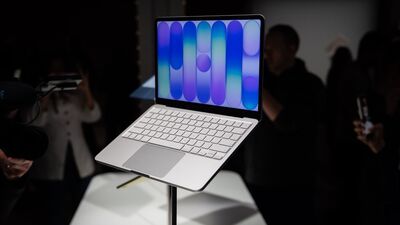
Even at $599, the MacBook Neo does not abandon Apple's design standards. The body is aluminum, the keyboard is the same Magic Keyboard found on more expensive Mac models, the display quality is consistent with the rest of the lineup, and the device comes in four distinct colors: citrus, blush, silver, and indigo. The choice of colors is a deliberate signal — this is a product aimed at younger buyers who want something that looks like a personal object, not a corporate device.
Market analysts suggest that Apple's combination of brand recognition, tightly integrated ecosystem, build quality, and now a price point that genuinely competes with Windows alternatives could meaningfully reshape the entry-level laptop category. The question rivals now face is not whether to respond, but how to respond in a way that gives buyers a reason to choose otherwise. That is a harder problem than it might appear.
Reporting for this story drew on coverage and technical data from 9to5Mac, PCMag, and Macworld.