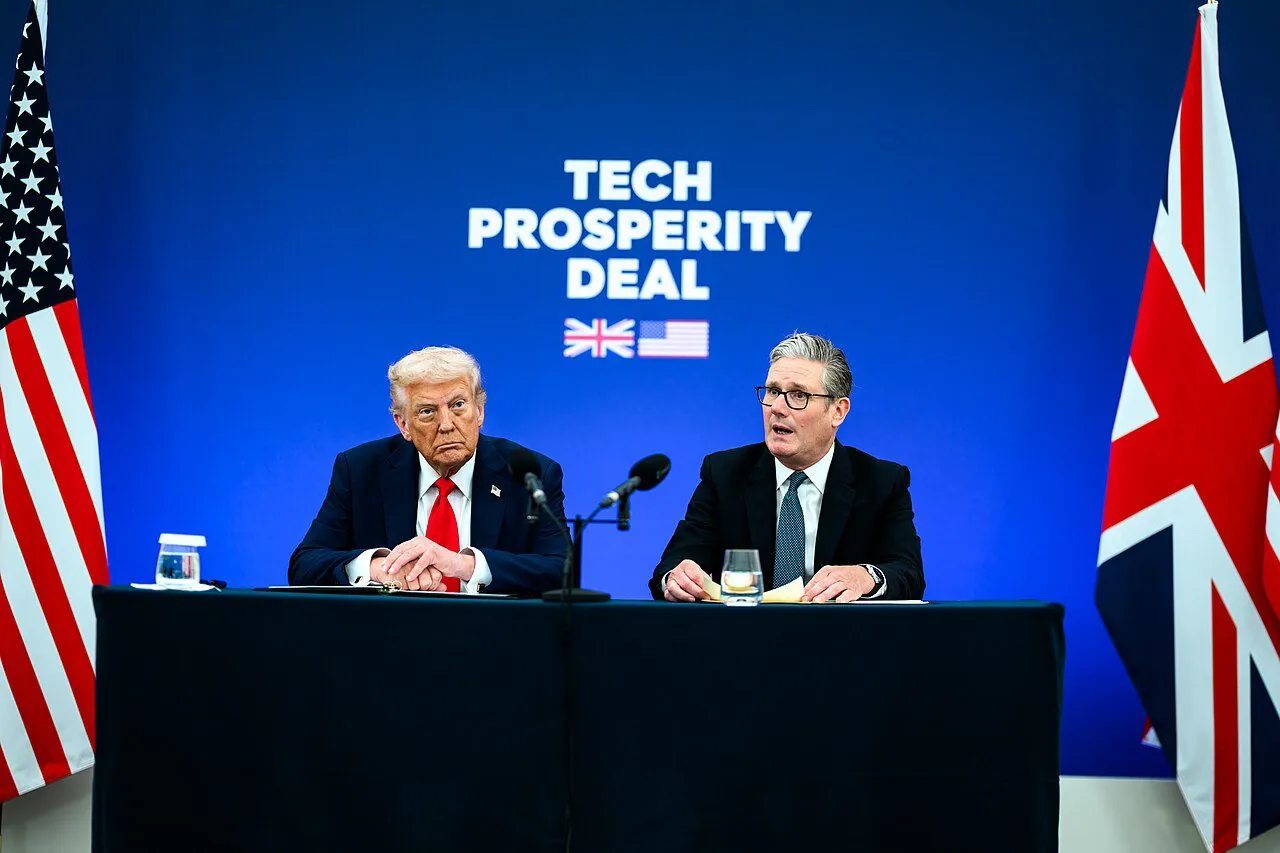
The US and the UK were going to sign the "Technology Prosperity Deal," a $40 billion deal that would make it easier for them to work together on new technologies like quantum computing, advanced manufacturing, and AI. But for now, it's on hold. The suspension shows that Washington is worried about trade issues and rules that haven't been worked out between the two former partners.
What the Technology Prosperity Deal Was Meant to Do
The Technology Prosperity Deal, which was announced earlier this year, was meant to make it easier for the US and UK to work together in fast-growing technology areas that are important for both national security and economic growth. The deal that was suggested would have made it easier for schools, businesses, and research centers in the US and UK to work together more. It would also have made it easier to send technology to other countries and encouraged businesses in both countries to work together more.
The plan's main parts were quantum computing and AI. China's and other countries' technology is moving quickly, but both countries want to stay ahead of the game. The deal also included plans to promote new ideas in making next-generation semiconductors and sustainable energy, which are thought to be important for the future of supply chains.
Why the US Stopped
U.S. trade officials say that worries about rules and access to markets were a big reason why the deal was put on hold. U.S. negotiators also want stronger guarantees that intellectual property will be safe and that there will be fair competition. A high-ranking U.S. official, who wanted to remain anonymous, said, "These problems must be fixed before any major technology partnership can move forward."
The UK has answered, and the talks are still going on.
British officials have downplayed how important the stop is by saying that everyone is still working toward an agreement and that talks are still going on. The UK government wants to keep its current regulatory system, but it says it is open to talking more to ease U.S. concerns.
What's Next
Experts say that the US and UK will keep working together on technology in the long run, even though the delay may make things harder in the short term. Both countries need to work together to make sure that AI is developed in a moral way, protect supply chains, and set international standards for new technologies.
The negotiators for the Technology Prosperity Deal need to be able to settle regulatory issues and agree on economic goals in a tech sector that is very competitive.