


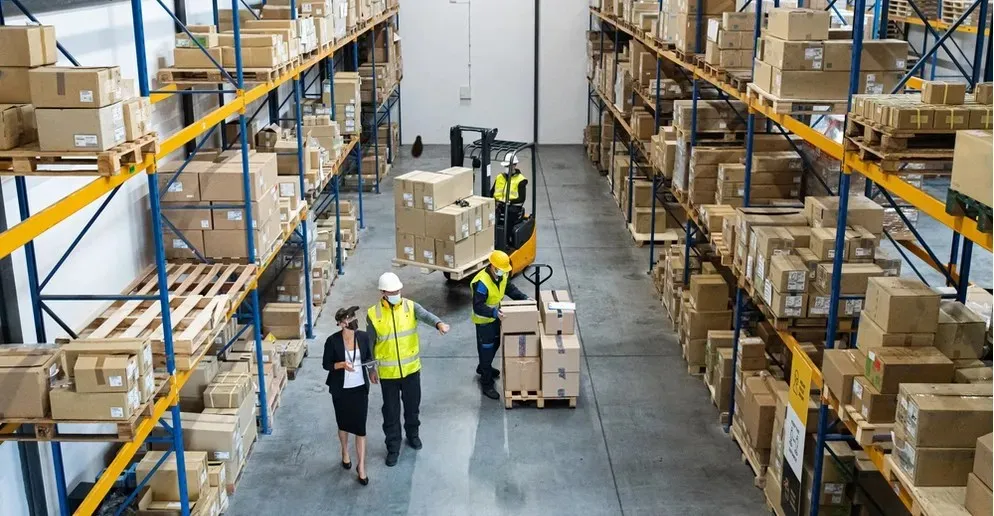
It looks like the American supply chain is strong as of the end of 2025. However, a study in The American Ledger shows that the country's warehouse networks have major structural problems. Since the pandemic ended, executives at the company have been quietly trying to fix these problems.
The investigation found that some big distribution centers are understaffed, using old software, and using equipment that hasn't been updated in more than ten years. It did this by looking at federal labor records, company documents, and interviews with workers in seven states. Because of these problems, customers and stores are now paying more.Also, restocking takes longer and shipments fail more often.
National retailers owned warehouses in a number of big cities, such as central California, Dallas, Chicago, and Atlanta, where the turnover rate was over 60%. Some of the main reasons why employees leave are low starting pay, required overtime, and worries about safety.
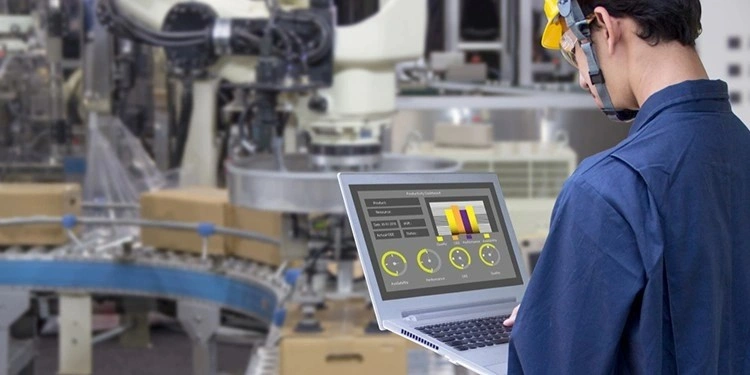
Automation Promised Efficiency, but Delays Persist Companies struggle to integrate new technology amid workforce shortages
It looks like the American supply chain is strong as of the end of 2025. However, a study in The American Ledger shows that the country's warehouse networks have major structural problems. Since the pandemic ended, executives at the company have been quietly trying to fix these problems.
The investigation found that some big distribution centers are understaffed, using old software, and using equipment that hasn't been updated in more than ten years. It did this by looking at federal labor records, company documents, and interviews with workers in seven states. Because of these problems, customers and stores are now paying more.
More than 60% of national merchants' warehouses were in big cities like Dallas, Chicago, Atlanta, and central California. Some of the main reasons employees leave are low starting pay, having to work extra hours, and safety concerns.
Several business leaders agreed that their distribution networks couldn't keep up with the fast-changing needs of the supply chain. Customers expect their orders to arrive the next day, demand changes quickly, and more people are buying things online. But many businesses still use old-fashioned ways to deliver orders.