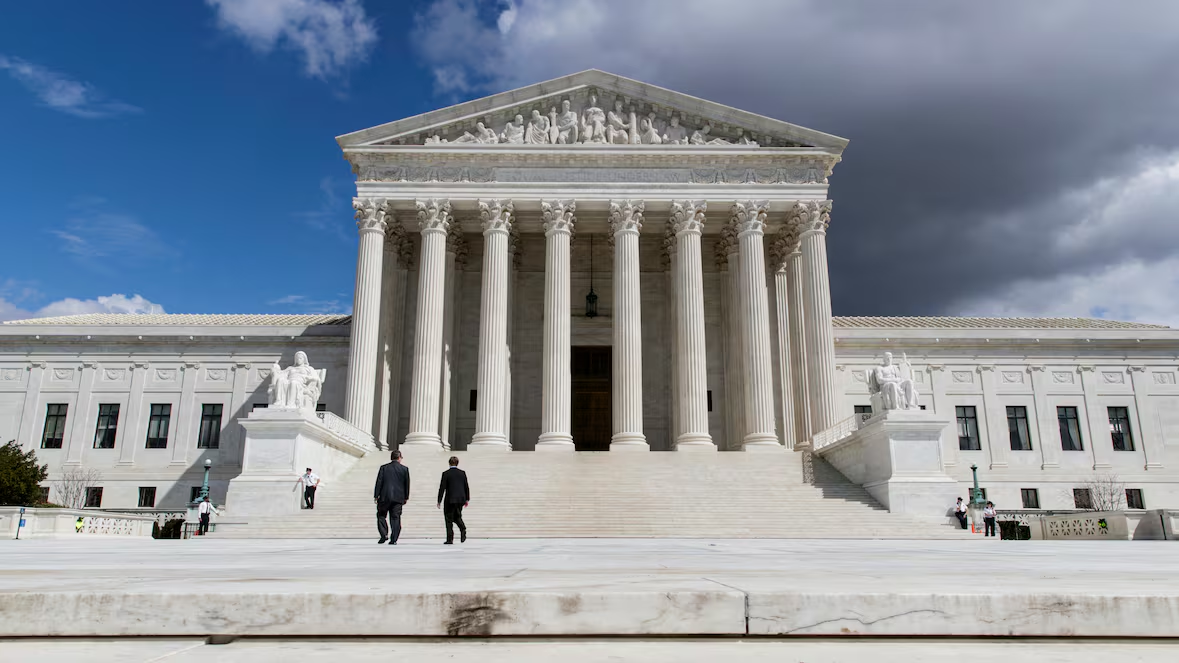
The U.S. Supreme Court is getting ready to hear arguments in a very important case that could change how the president can make trade policy. The justices will look into whether former President Donald Trump went too far when he used the International Emergency Economic Powers Act (IEEPA) to put high tariffs on foreign imports.
Even though Trump has said he wants to go, he is not expected to be there in person. Instead, Treasury Secretary Scott Bessent said he wants to be in the courtroom to watch the administration's arguments.
Even though lower courts have said that IEEPA doesn't give presidents the power to set tariffs, Trump's tariffs are still in effect while the Supreme Court looks into the issue. The decision is likely to have long-lasting effects, changing not only the Trump administration but also how future presidents deal with trade issues around the world.
“This is an economic emergency,” Bessent said during an interview earlier this week.
Legal experts say that the case could set limits on emergency powers and make it clear how much power the White House has over economic policies that Congress has been in charge of until now. The government is still saying that the tariffs are needed for both the economy and national security.
White House Reviewing Backup Strategies as Legal Uncertainty Grows
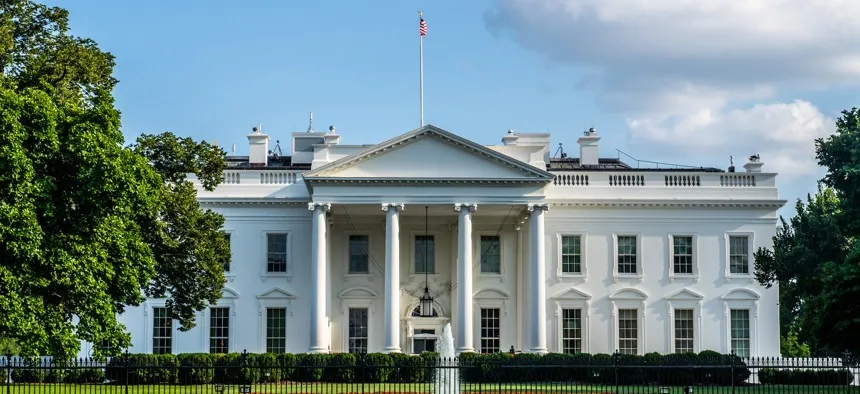
If the Court limits the president's use of emergency powers for trade actions, senior administration officials say they are getting ready for backup plans. Some of these options are to stick with the current trade rules, change the tariff schedules, or speed up the process of renegotiating bilateral trade agreements.
Analysts say that the result could shift the balance of power between Congress and the executive branch, especially when it comes to national security and economic retaliation.vIf the Court limits the president's powers under IEEPA, future administrations may need to get permission from Congress to do things they could have done on their own.
The Court is expected to make a final decision later in its 2025–2026 term.