


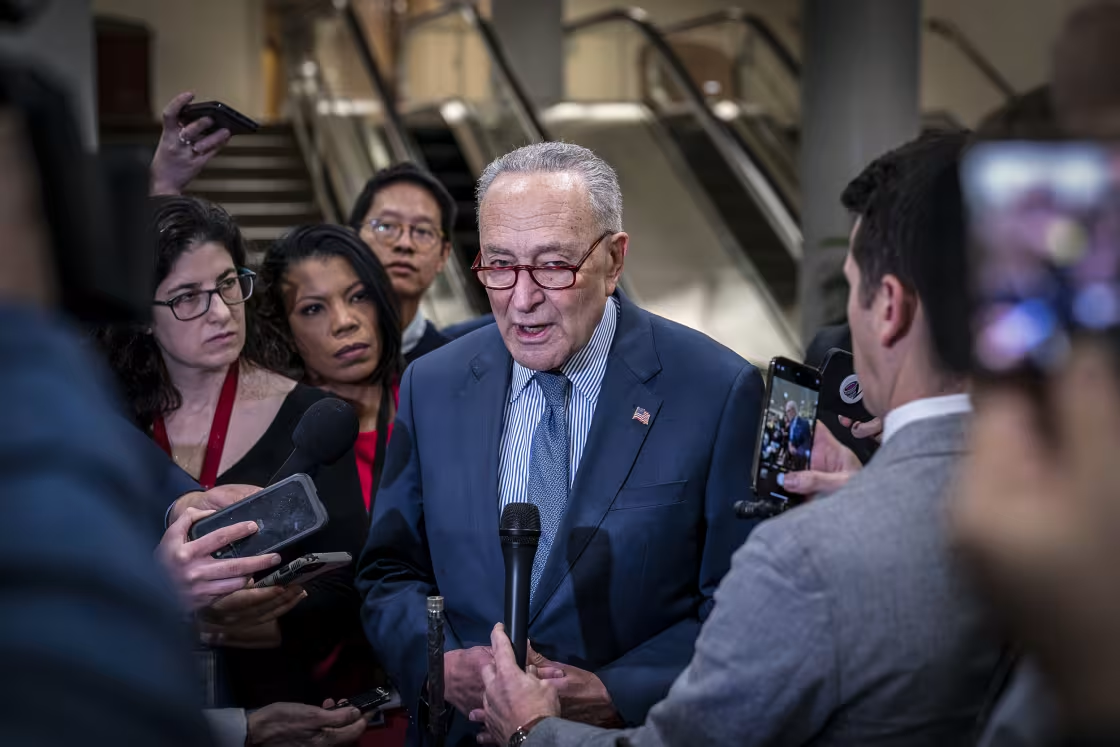
The U.S. Senate did not move forward with a $118 billion plan that included military help for Israel and Ukraine as well as measures to enforce the border. After months of talks, the plan fell through because Democrats said the immigration limits were too strict and Republicans said the border rules weren't strict enough.
The fight is still going on, and funding for Ukraine is still up in the air because the bill needed 60 votes but didn't get them. Defense officials and economists warned that delays could weaken America's strategic commitments.
“The world is watching,” Senate Majority Leader Chuck Schumer said after the vote. “This is a moment for Congress to show leadership.”
Republicans retorted that the bill fell short of securing the southern border of the United States.

White House Presses for Immediate Action
The Biden administration repeated its call for Congress to end the stalemate, saying that not passing a new package is hurting the U.S.'s reputation abroad and putting national security at risk. Senior officials say that the refusal to approve funding for border operations in Israel and Ukraine is already affecting planning and working with foreign partners.
Jake Sullivan, the White House's National Security Advisor, told lawmakers that they needed to reach a bipartisan agreement by the end of the year. He said that delaying would "send the wrong message to allies and the right one to adversaries." Administration officials stressed that the security package includes important military equipment promises that can't go through without approval from Congress.
Officials from Homeland Security also stressed how important the bill's immigration and border security parts are. Officials from the department say that uneven funding and unclear legislative guidelines have made it harder for the agency to carry out new enforcement strategies, made it harder to deploy staff, and slowed down the processing of asylum applications.
A high-ranking DHS official told reporters on background that the current situation is "unsustainable." They also said that without long-term legislation, border operations would keep switching between emergency responses and short-term fixes.