
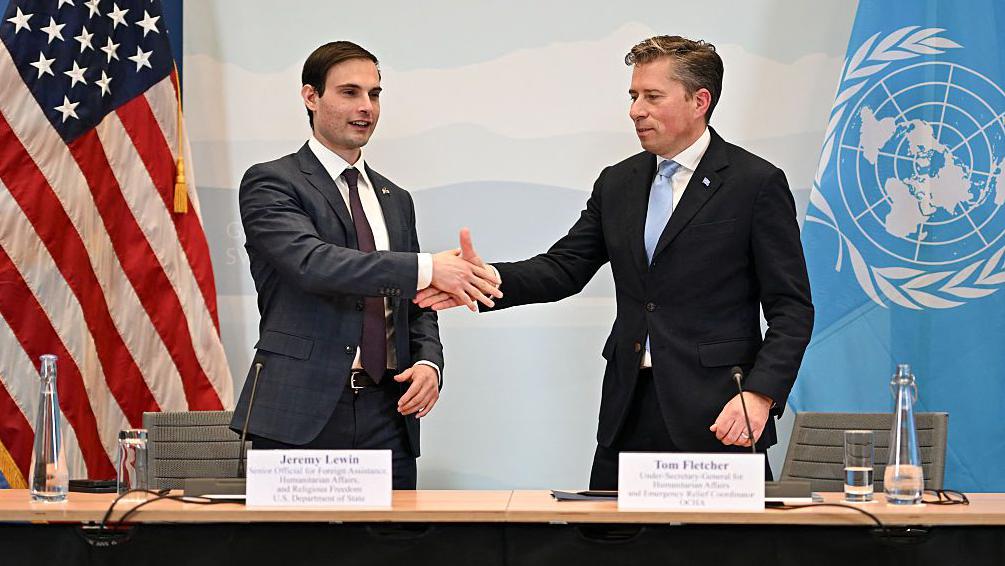
The United States promised the United Nations $2 billion in humanitarian aid on December 29, 2025. This funding is very different from the Trump administration's previous strategy for foreign aid, which included cutting U.S. payments to multilateral aid organizations and pushing for changes within these organizations.
$2 billion may seem like a lot of money, but it's not much compared to what the US usually gives. The United States has given the United Nations up to $17 billion a year in recent years for humanitarian projects. This new promise is part of a bigger plan to make our foreign aid delivery system more efficient and up-to-date. The U.S. government has made it very clear that U.N. organizations must be more accountable, stop doing things that aren't necessary, and run their businesses better in order to get money from the U.S.
The Trump administration has said many times that they don't like the UN because they think it's not useful and doesn't put American interests first. Jeremy Lewin, a foreign aid expert at the State Department, said, "The system is dead." This shows that the government thinks the current U.N. system needs to make big changes in order to stay alive. The US is telling the UN to "adapt, shrink, or die." A lot of people who work for humanitarian organizations are worried that this could lead to big cuts in important aid programs.
Marco Rubio, the Secretary of State, said on social media that the "U.S. is "changing the model" by making rich countries more responsible for helping those in need". This fits with what the current government wants to do. Rubio says that the US will keep helping the world's poor, but it won't be a "piggy bank" for U.N. organizations that don't change. The US believes that this reform will make the system stronger by giving money to the countries or situations that need it the most.
The U.N. Office for the Coordination of Humanitarian Affairs (OCHA) will make sure this promise is kept. OCHA has had a tough year because the US and other Western donors have cut their funding by a lot. These budget cuts have made it so that groups like the World Food Program and the UNHCR have to do less work. As a result, people have lost their jobs, and it is now harder for them to get the help they need. Tom Fletcher, the director of OCHA, said that even though OCHA's budget is getting smaller, the U.S. contribution will be very important for keeping life-saving activities going.
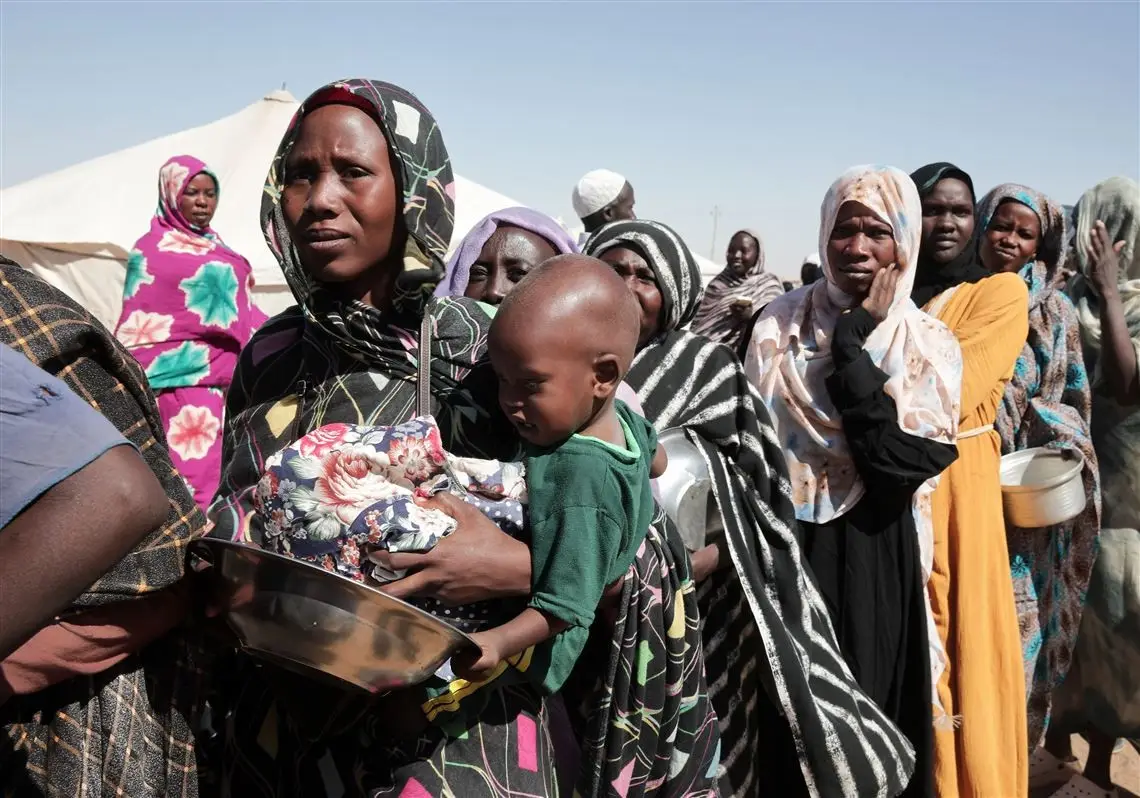
Fletcher said he was cautiously optimistic, adding that he had been worried a month ago that the US would not give any money. "This is a very, very important contribution," Fletcher said, stressing that it will directly help people in countries like Sudan, Syria, and Ukraine who have been affected by war and natural disasters. The US has decided not to give money to Afghanistan, Yemen, or the Palestinian territories because they are worried that the money could be used to help groups that are against the US, like the Taliban and the Houthi rebels.
Some people say that cutting off U.S. aid to the U.N. Even though this money may help meet some of the immediate needs of people in need. Humanitarian groups say that the cuts will hurt the world's most vulnerable people more than anyone else and that this approach could hurt the US's reputation as a world leader in promoting peace and security.
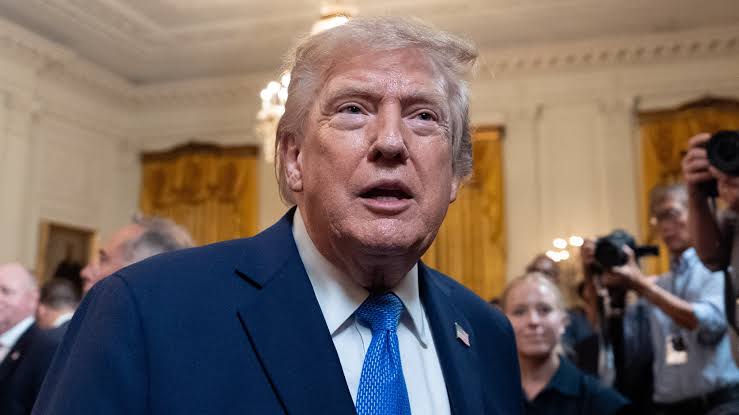
The President Donald Trump’s administration $2 billion promise shows that they want to cut foreign aid and make international organizations more responsible. It also shows that you really want to help people who need it. As the U.N. gets used to the new ways of doing business, it will be hard to guess what the long-term effects will be. The U.N.'s ability to adapt to and deal with the new financial realities will determine whether this strategy leads to more focused and effective aid or more global instability. As the world gets more complicated every day, the future of U.S. foreign aid and international cooperation depends on finding a balance between reform and compassion.
Conclusion:
In Conclusion, the $2 billion that the United States is giving is important because many people are having a hard time making ends meet right now. It also starts a new era in international humanitarian policy. The focus of the U.N. system on cutting down on waste and inefficiency is a sign of a larger trend in U.S. foreign policy toward fiscal conservatism. We don't know if this will help people who need it or make things worse for them. The United Nations and other international organizations need to change how they work so they can keep saving lives even when money is tight.