

The sprawling facility will rise in Sturgeon County, Alberta, north of Edmonton, as Meta races to secure the computing power it needs for artificial intelligence, cloud services and next-generation digital products. The project underscores how central large data centers have become to the competition among tech giants to build advanced AI models — Meta and rivals including Google, Microsoft and Amazon have all been pouring billions of dollars into computing capacity as demand for AI services keeps climbing.
Meta Launches First Canadian Data Center to Power AI Growth
The Alberta facility will be Meta's 33rd data center globally and is being designed as a major artificial intelligence computing hub. The first phase will carry around 1 gigawatt of power capacity, with room to expand to as much as 1.8 gigawatts down the line — a scale that reflects just how much energy training and running advanced AI systems now requires. Meta says the investment will help support the growing computing needs of its AI platforms, including technology tied to its social media services and its broader artificial intelligence initiatives, as the company continues investing hundreds of billions of dollars into data centers and computing resources worldwide.
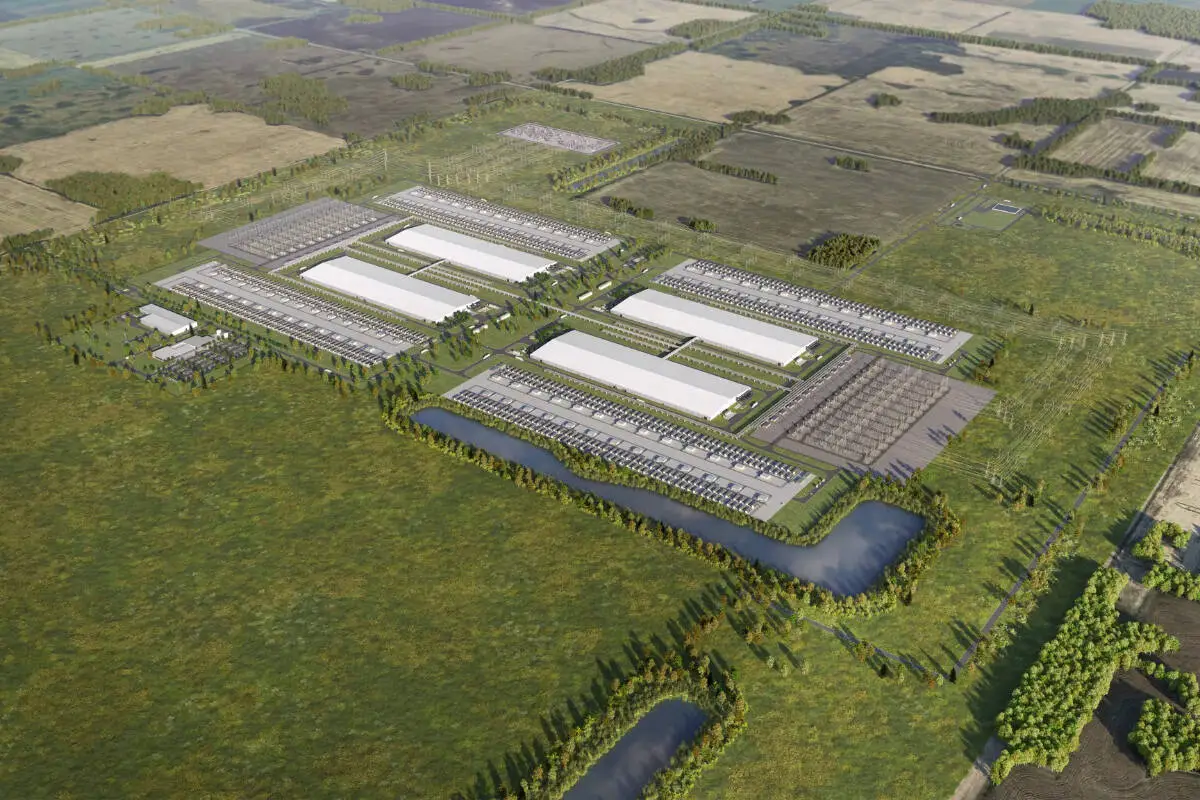
Big Tech's AI Infrastructure Push Moves to a New Destination: Alberta
Alberta was chosen for the project as the province steps up efforts to attract the energy and land that technology companies need. Officials point to the region's cooler climate, which can cut cooling costs, along with its natural gas resources and a business-friendly regulatory environment. Alberta's economy has long been tied to energy production, and major technology infrastructure projects like this one are seen as a path to diversify that base by drawing in global tech investment. Provincial government officials have welcomed the announcement as evidence that Alberta can be a serious player in the global AI economy.
Alberta's government has framed the Meta deal as proof the province can compete for the infrastructure fueling the next generation of AI — even as the project raises fresh questions about energy demand and Alberta's continued reliance on natural gas.
New Infrastructure to Meet Massive Energy Demand
The scale of Meta's project highlights one of the AI industry's biggest challenges: electricity demand. Running specialized computer systems, cooling equipment and networking infrastructure inside large AI data centers requires enormous amounts of power. Meta will fully finance new power generation and grid infrastructure to connect to the Alberta facility, and has signed a partnership agreement with Pembina Pipeline for future energy supply from a natural-gas-powered electricity facility planned for Sturgeon County. That associated power project is expected to help ease Alberta's tight grid capacity for large industrial projects while also supplying the data center itself.
Environmental Questions Around Large AI Projects
Government officials and business leaders have welcomed the investment, but the project has also drawn environmental scrutiny. Critics have raised concerns about the energy needs of large-scale AI infrastructure and Alberta's continued dependence on natural gas for electricity generation. As AI data centers expand rapidly around the world, environmental groups have called for stronger protections around emissions, energy consumption and resource use. Meta says the facility will include water-efficient cooling systems and investments in renewable energy meant to offset its electricity consumption.
Construction Expected to Generate Thousands of Jobs
The project is expected to spur significant economic activity in the region, with thousands of short-term construction jobs during the peak building phase and permanent positions in operations, maintenance and technical services once the facility is running. Local officials expect additional economic benefits through infrastructure upgrades, business for regional suppliers and increased demand for services nearby. Meta says it will also put money toward local infrastructure improvements, including roads and other projects that benefit the surrounding community.
Global Race for AI Infrastructure Heats Up
Meta's Alberta investment arrives as tech companies scramble to build the physical infrastructure behind artificial intelligence. The rapid evolution of generative AI has created unprecedented demand for computing power, pushing companies to expand data centers, secure more advanced processors and lock down energy resources. Building AI increasingly depends on both software innovation and access to vast computing infrastructure, and companies that control large data centers hold a real advantage as AI gets embedded into search, advertising, workplace software, entertainment and consumer applications.
Canada Makes Its Case as an AI Computing Hub
The Meta announcement shows Canada's ambitions to become a major center for AI investment. The country has touted its research talent, energy resources and technology ecosystem as advantages in attracting global AI companies, and Alberta's selection illustrates how the race for AI infrastructure is expanding beyond the traditional tech hubs of California and other major U.S. cities. As AI adoption accelerates, countries and regions are competing harder to attract the facilities that will power the next generation of digital services.
Meta's Alberta Project Marks the Next Phase of Its AI Expansion
Meta's $13 billion data center in Alberta is a major step in the company's global AI strategy and in Canada's broader tech ambitions. The project shows how artificial intelligence is reshaping infrastructure demand, driving the need for enormous computing facilities and new energy solutions. It's also part of Alberta's push to position itself as a center for technology and AI infrastructure, while giving Meta more capacity to build advanced AI systems. As companies keep pouring billions into AI infrastructure, projects like this one in Alberta look set to become increasingly central to the future of the global technology industry.
Reporting for this story drew on data and coverage from Reuters, Yahoo Finance, and CBC News.