The FBI is weighing an economic espionage charge against Abdulrahman Alfozan, the former OpenAI engineer already in custody for allegedly hiding a listening device in an executive conference room, the Wall Street Journal reported on October 24. A law enforcement official told the paper that agents are examining whether he took OpenAI information with the aim of offering it to the Saudi government, even if nobody in Riyadh recruited him to do it.
No espionage charge has been filed. Alfozan, 35, a Saudi national, currently faces a single count of using a device to intercept oral communications, which carries up to five years in prison and a $250,000 fine. His lawyer, William Pernik, says the government has not told him about any added charges, and Alfozan is presumed innocent.
What Prosecutors Say Happened
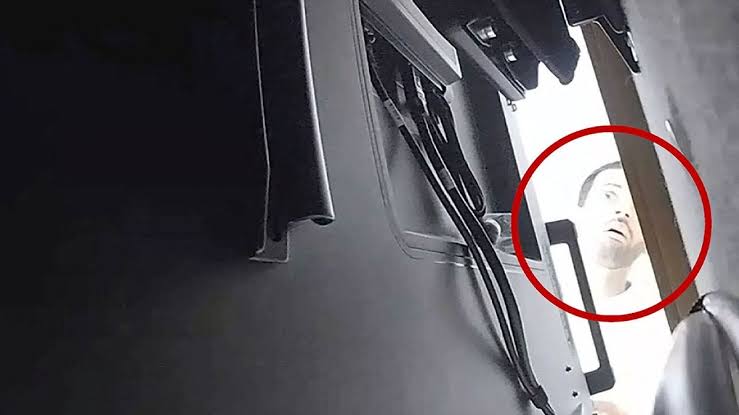
According to the criminal complaint, Alfozan joined OpenAI in July 2025 and placed a hidden audio recorder behind a television in a restricted executive conference room at the company's San Francisco headquarters around September 28. OpenAI staff found the device and set up a camera in the room. Footage from early October allegedly shows Alfozan walking in and looking behind the TV. A similar recorder was later found in a bag that belonged to him, investigators say.
The complaint adds that before the device went in, Alfozan used an AI productivity tool to look up OpenAI's buildings, meeting rooms, calendars and where executives could be found. OpenAI fired him on October 9, the day the FBI arrested him. The company says it used its own AI models to examine the device and trace it back to one employee.
Flight Risk and the Saudi Connection
Court papers unsealed the following week claim Alfozan and relatives held one-way tickets from San Francisco to Saudi Arabia, routed through Istanbul, for October 12, three days after his arrest. His wife and their baby had already left the United States on October 10, according to the filing.
Prosecutors also say a member of the Saudi royal family repeatedly tried to recruit Alfozan for an AI venture in the kingdom, and that he told that person he would stay at OpenAI until his stock vested. U.S. District Judge Alex Tse found a significant flight risk and ordered him held without bail. Pernik countered that his client has deep American ties, including a naturalization interview set for November 6, and offered roughly $1 million in assets as security.
In their filing, prosecutors warned that the investigation may produce additional serious charges and called the matter a national security concern. They also pointed to an earlier Saudi-linked case: a former Twitter employee, Ali Alzabarah, left the country before he could be charged, while another, Ahmad Abouammo, was convicted in 2022 of spying for Saudi officials.
What OpenAI Has and Hasn't Said
OpenAI says it has no indications that model weights, source code or customer data were improperly accessed or taken. The company is still working out what the recorder may have captured and whether the episode was ordinary corporate espionage or something with state backing. It has described the device as sophisticated and built to avoid detection.
What Comes Next
The case is still early. An espionage count would require prosecutors to show Alfozan meant to benefit a foreign government, a harder standard than the interception charge he faces now. Watch for an indictment, more court filings and any findings from OpenAI's internal review. The episode has already sharpened worries about how well frontier AI labs can protect their people and meeting rooms as competition for the technology intensifies.