A U.S.-based charity that runs schools in Gaza intends to record classroom lessons and run them through artificial intelligence designed to flag speech it considers hateful, antisemitic or inciting, according to its founder. The plan has drawn objections over privacy, ethics and safety, including from a member of the charity's own board and at least one of its aid partners.
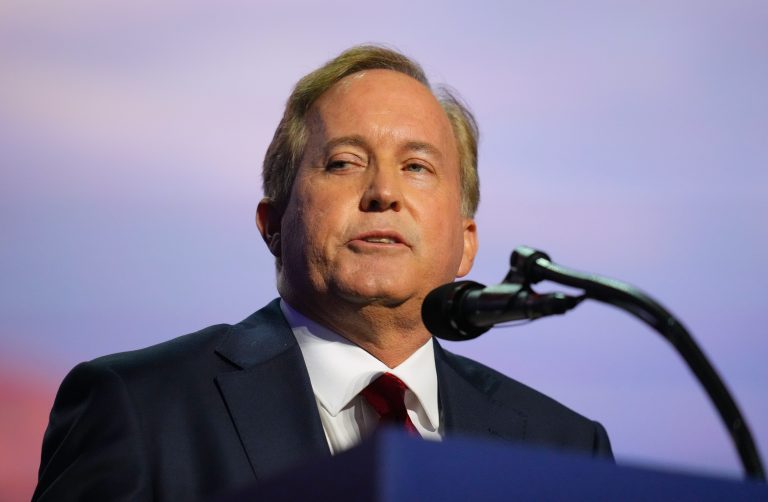
Dr. David Hasan, a neurosurgeon at Duke University who founded the Gaza Children Village, described the system during a September webinar for humanitarian organizations. Under his outline, an alert would go to him when the software detects problematic language. He would then contact the teacher to learn the context and offer feedback. Hasan said the recordings are stored for 72 hours.
Key details remain unclear, including when monitoring would start, what language would trigger a flag, and whether teachers, students and families have been told. Nothing so far suggests the charity plans to hand the recordings to outside parties, but fears about surveillance run high in a territory that has just lived through three years of war.
How the System Is Meant to Work
In an interview with the Jewish Chronicle published Oct. 2, Hasan called the tool a prototype built around an AI-assisted microphone. He said it would send him an alert, the audio and a transcript when it picks up something hateful or antisemitic. He would review the clip and call the teacher, and a teacher whose conduct was confirmed as a problem would be dismissed.
A text message from Hasan seen by The Associated Press, sent before August, painted a more advanced picture: the technology had been tested and was slated for dozens of classrooms. In that message he said it was developed with PollyLabs, a New York nonprofit focused on technology in crisis settings. PollyLabs says it had no part in building or deploying any such system.
Hasan has acknowledged the plan is contentious and that parents and educators in Western countries would likely object on privacy grounds. He describes it as a safety net meant to stop a rogue teacher from undermining the program.
Objections From Inside and Outside the Charity
Bishara Bahbah, a Palestinian American political activist who sits on the charity's board, said he had not known about the monitoring plan and that it had never been brought to the board. He said cameras that track how students and teachers perform are acceptable, but not ones that stifle open exchange in the classroom. In his view, the priority should be putting more children into classrooms.
A board member says cameras that track performance are acceptable, but not cameras that silence students and teachers. — Bishara Bahbah, Gaza Children Village board
An official at an aid group that works with the charity, who asked not to be named to protect the group's work in Gaza, said the cameras could lead the organization to reconsider the partnership. The official warned that using AI to analyze what people say could open a Pandora's box.
A staff member, also speaking anonymously, said some teachers and employees fear being questioned by Hamas about the curriculum or feel uneasy working for a group backed by Israeli aid organizations. Six current and former teachers at the schools declined to comment.
Palestinian advocacy groups say the broader program takes away local control over what children learn. Ines Abdel Razek of the Palestine Institute for Public Diplomacy accused the charity of trying to shape the minds of a new generation. A Palestinian government spokesperson, Mohammad AbuAlrob, said classroom surveillance would cross an important line, though he lacked enough information to judge the charity's curriculum itself.
Amjad Iraqi of the International Crisis Group noted that many Palestinians already feel any word or thought could be used against them, a fear sharpened by Israel's use of AI to scan intercepted communications and identify strike targets.
The Curriculum at the Center of the Dispute
The schools, branded Academies of Hope, teach mostly from the Palestinian Authority curriculum, with material Hasan says glorifies violence or promotes anti-Israel or antisemitic views taken out. He declined to give AP examples. A 2026 U.S. Government Accountability Office report on textbook content flagged by the United Nations cited items Israel has long criticized, such as a math exercise built around counting martyrs and a reference to Jerusalem as the capital of Palestine.
According to the Jewish Chronicle, one math problem about casualties in the two intifadas was rewritten as a question about a West Bank football match, and a reading passage honoring a woman who led a deadly 1978 attack on Israeli civilians was swapped for a profile of a Palestinian educator. New lessons cover Judaism, Christianity and other faiths, as well as the displacement of Jews from Middle Eastern and North African countries.
Hiring is screened too. Hasan says staff go through Israeli and American counterterrorism vetting, and anyone who has worked with Hamas or UNRWA is barred. Candidates then complete a questionnaire of roughly 50 questions on attitudes toward violence and revenge, developed with Stanford researchers, that sorts them into three groups. People placed in the group labeled hateful, resentful and revengeful are not hired. Jason Olson, a former Board of Peace deradicalization director, told a UK parliamentary meeting that about one in three legacy staff fail the test.
Altering a curriculum in Gaza has proven difficult before. The GAO report found that UNRWA's attempts to bring textbook content in line with neutrality and nonviolence also met resistance from teachers and communities. The Jewish Chronicle reported that the Palestinian Authority resents the changes the charity has made without its permission.

Rapid Growth Amid a Collapsed School System
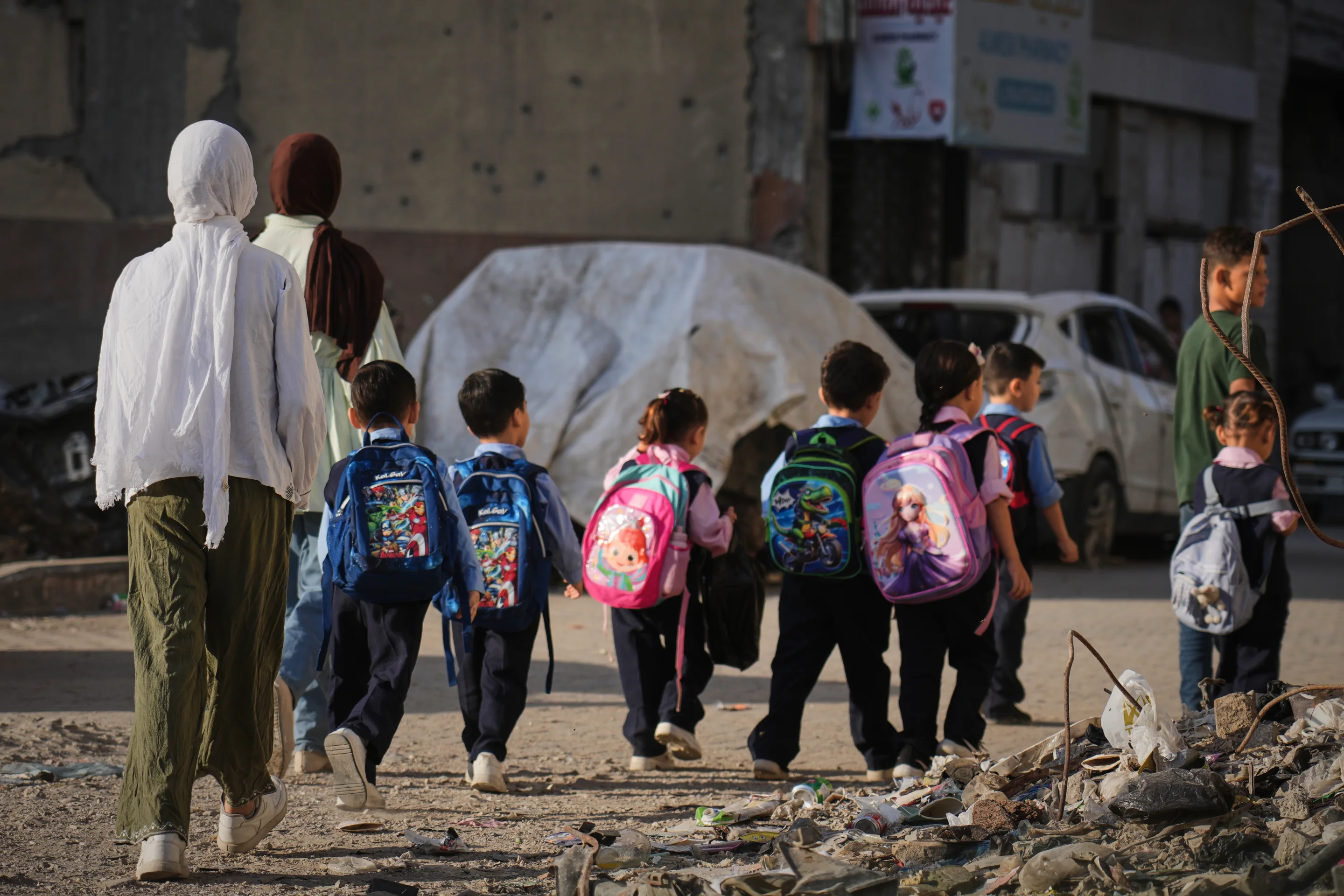
The charity opened its first school in July 2025 and has grown quickly. Reporting from the Boston Globe and The New York Times in February put enrollment near 9,000 pupils across five southern campuses. By the Jewish Chronicle's Oct. 2 account, Hasan said the network went from 14 academies to 30 at the end of September, serving almost 25,000 pupils with more than 400 staff. The schools provide meals, with World Central Kitchen supplying hot lunches, as well as medical and psychological care.
Funding comes largely from individual donors, many of them Jewish, along with the UK-based Pears Foundation. The Jewish Chronicle reported that a funding gap at the start of term put six schools at risk of closing until an Israeli businessman, whose daughter was killed at the Nova music festival on Oct. 7, donated. Hasan puts the cost of nine months of schooling at $260 per child, and he has talked of eventually reaching 250,000 children.
The need is vast. UNICEF has said roughly 700,000 children aged 4 to 17 in Gaza have missed formal in-person schooling, and that nearly 90 percent of school buildings are damaged or destroyed. In an April update the agency reported running 172 temporary learning centers. Who ultimately controls education in postwar Gaza is among the many questions still open, and the charity's critics argue that the Palestinian Authority and UNRWA, not a private foreign group, should be backed to rebuild schools.
Hasan has said an international delegation is expected to inspect the schools later this year. Whether the classroom monitoring plan survives the pushback from partners and the board is not yet known.
Reporting for this story drew on coverage from The Associated Press, The Jewish Chronicle, The Boston Globe, and UNICEF.